A US Virgin Islands charter is won or lost before you fly. Most groups spend between $30,000 and $60,000 for the week, and the 6 decisions below are what move that number and shape how the week feels.
Here is how we work through each one with clients.
1. Fly into St Thomas, and book the date before the boat
St Thomas (STT) is the practical gateway for almost every USVI charter. It has the connections, the marinas, and the shortest hop to your yacht.
December through April is the prime window, with dry weather and the calmest sailing. Christmas and New Year weeks are the first to go, so we start those conversations 6 to 12 months out. Late spring and early summer are quieter and often better value.
Then plan the arrival itself. A tight connection into a same-day boarding is where good weeks start badly, and we would rather put you ashore the night before than have you chase a boarding slot.
2. Decide early whether you are crossing into the BVI
The USVI and the British Virgin Islands cruise beautifully as a pair, and plenty of our charters combine them. Treat the crossing as what it is: an international border.
It costs real time. St Thomas across to Tortola runs roughly 2.5 to 4 hours depending on where you clear, plus about an hour in customs, so a crossing on your first morning effectively spends your first day.
The clearance itself is less dramatic than people expect. Guests stay aboard while the captain or chef goes ashore with the paperwork, and details are filed to SailClear in advance to keep it moving.
2 things to settle before you book. Everyone aboard needs a passport, and not every yacht is permitted to charter in both territories, so we confirm your boat can legally cross before building a route that assumes it.
If you do cross, our 7-day Virgin Islands itinerary is the classic route, and our BVI team covers the same crossing from the other side in visiting the USVI on a BVI charter.
Broker insight
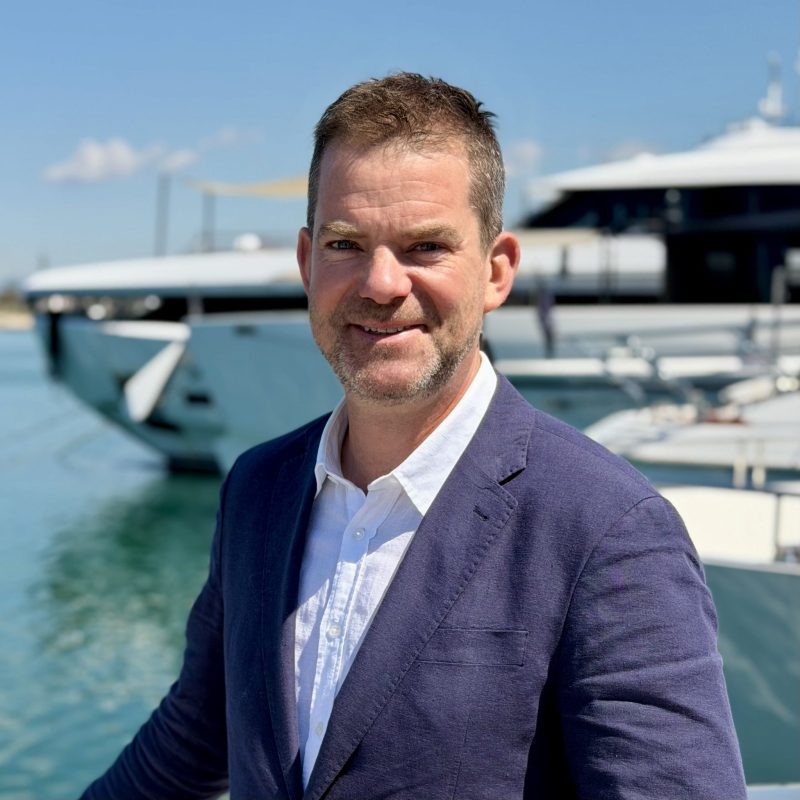
Most of my USVI groups ask about crossing into the BVI, and it is usually worth doing. Boarding in St Thomas and finishing in the BVI works too, it just needs arranging up front rather than mid-charter. What I tell clients is to build the crossing into the plan from the start, because the clearance stop takes a real bite out of whichever day you put it on.
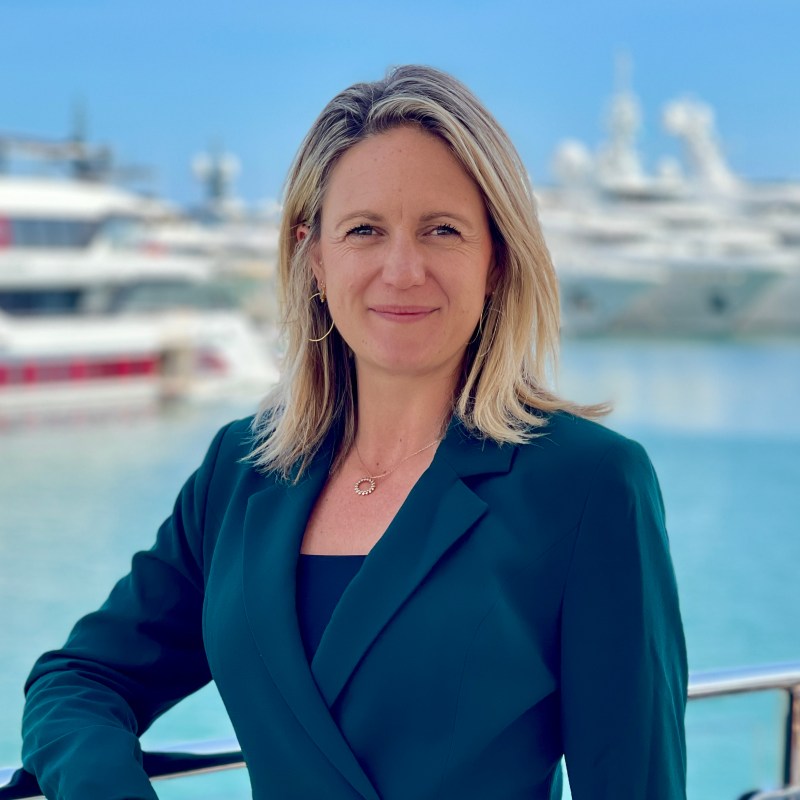
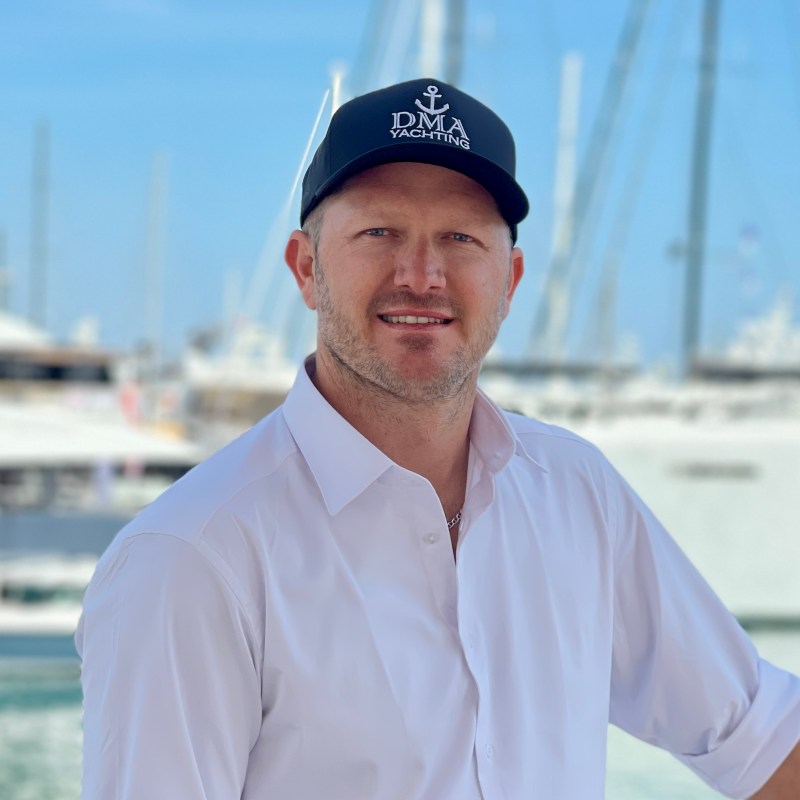
 Chris de Kock
Charter Broker, Sales Broker, Active CYBA Member
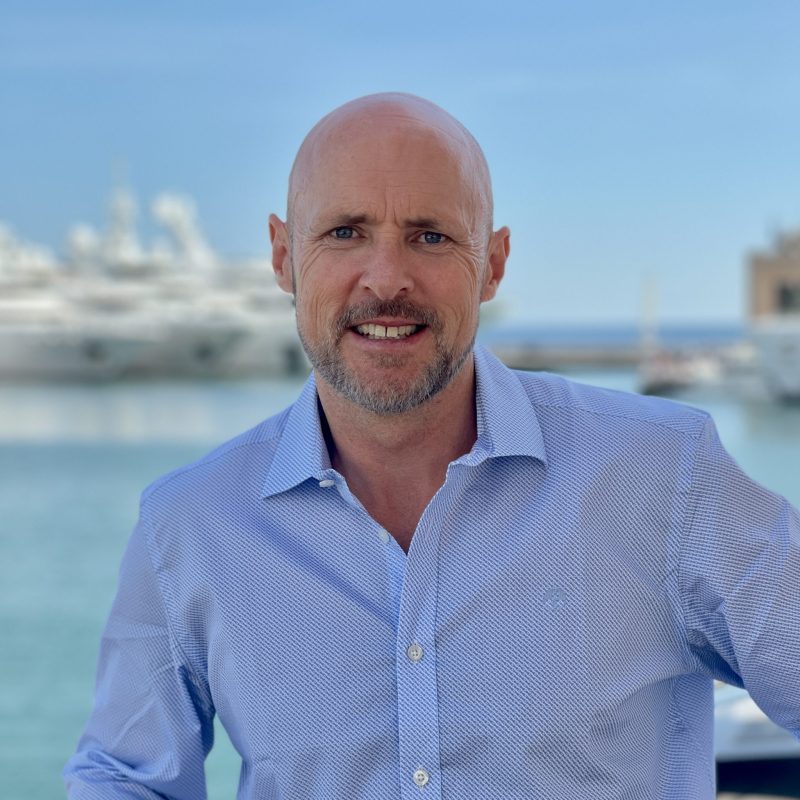
Chris de Kock
Charter Broker, Sales Broker, Active CYBA Member
3. Settle the start port, and what the week really costs
Almost every crewed catamaran working these islands cruises both the USVI and the BVI, so the boat rarely decides this. What decides it is the start and end port written into your contract.
For a week without borders or paperwork, book a charter that begins and ends in the USVI and let the yacht do the moving. When a boat normally bases in the BVI we ask what a St Thomas pickup adds, because some quote a repositioning fee of several hundred dollars each way.
On the money, most of the all-inclusive catamarans we place in the USVI run from $30,000 to the mid $40,000s per week. That one rate covers the boat, the crew, food, drinks and fuel.
Larger yachts are usually quoted plus expenses instead. You pay the charter fee, then an advance provisioning allowance, typically 30 to 35 percent in the Caribbean, which the crew spends on your fuel, food, drinks and dockage and refunds if unused.
On top of either model, budget the 12.5 percent USVI charter tax and a crew gratuity of 15 to 20 percent of the charter fee.
What that looks like in one number, which is how we quote it:
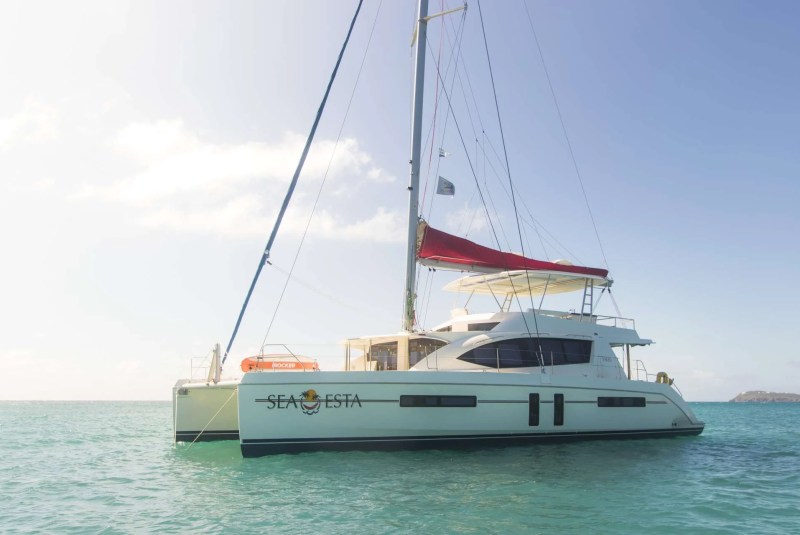
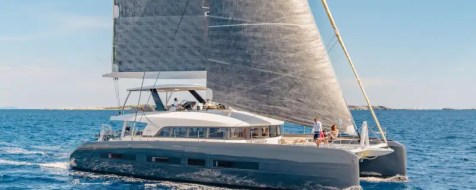
- All-inclusive. SEA ESTA, a 58ft Leopard, is $30,000 for a couple and $33,000 for a full boat of 10. Add tax and gratuity and a full-boat week lands near $43,000 to $45,000.
- Plus expenses. A $95,000 motor yacht week carries roughly $30,000 of provisioning allowance, then tax and gratuity, so plan for about $150,000 and expect a refund of whatever the crew does not spend.
4. Plan your transfers, because a shuttle is rarely included
The islands look compact on a map and are more spread out on the water. Water-taxi and ferry legs add up, and they are almost never part of the charter fee.
It matters most at the 2 ends of the trip: getting your group from the airport to the boat, and back again on the last morning.
We arrange the airport-to-boat leg as part of the booking and confirm the cost in writing, so nobody is negotiating a water taxi with luggage in hand on arrival day.
5. Trade the long hit-list for quieter anchorages
Compared with the tightly packed island-hopping of the BVI, the USVI has fewer marquee stops. That is the appeal, not a shortfall.
We plan fewer, longer stops here. Christmas Cove off Great St James, Water Island and Druif Bay all reward an afternoon rather than a photo stop, and St John’s protected north-shore bays are the quietest water in the group.
A slower week puts more weight on the boat itself, because you are living on it rather than looking at it from the rail.
6. Match the boat to the plan
Once the route is clear the boat almost picks itself.
For shallow-draft island time with a family or a group of friends, a crewed catamaran is the workhorse. For range, air conditioning and a crew running the whole trip, we point clients at a motor yacht instead.
One structural point worth knowing: the BVI marinas have limited draft and provisioning, so the larger yachts in the region are based at Yacht Haven Grande in St Thomas and start their charters there. If you want a big boat in the Virgin Islands, you are starting in the USVI whether or not you cross.
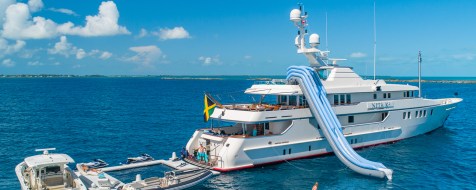
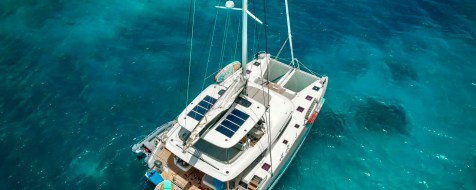
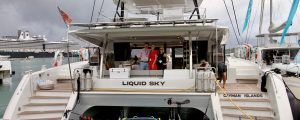
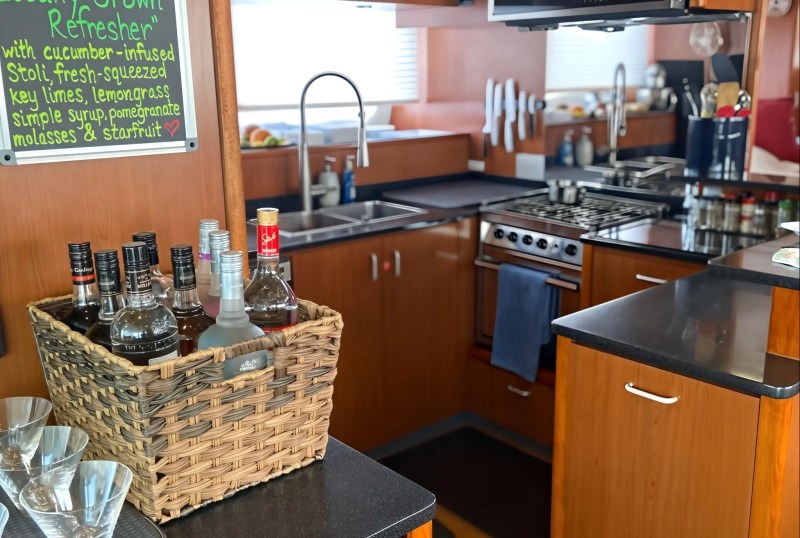
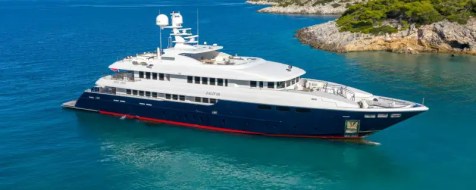
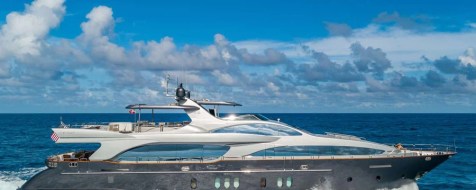
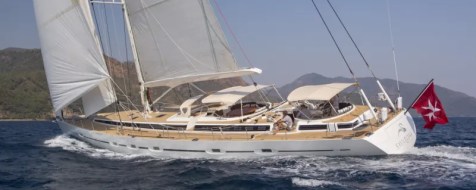
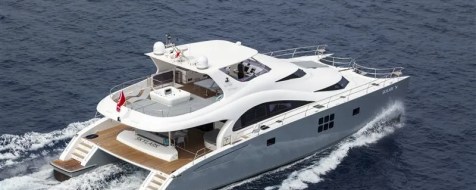
3 that show the range. SEA ESTA and OMAKASE are all-inclusive, so the rate is close to the final bill. MAMMA MIA is quoted plus expenses, so add the provisioning allowance on top. OMAKASE bases in the BVI, so ask us about a St Thomas start if you want to stay USVI-side:
SEA ESTA
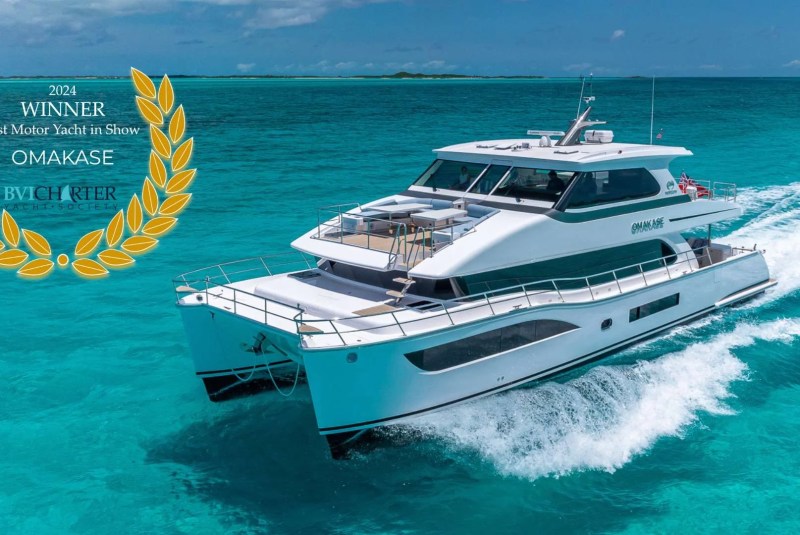
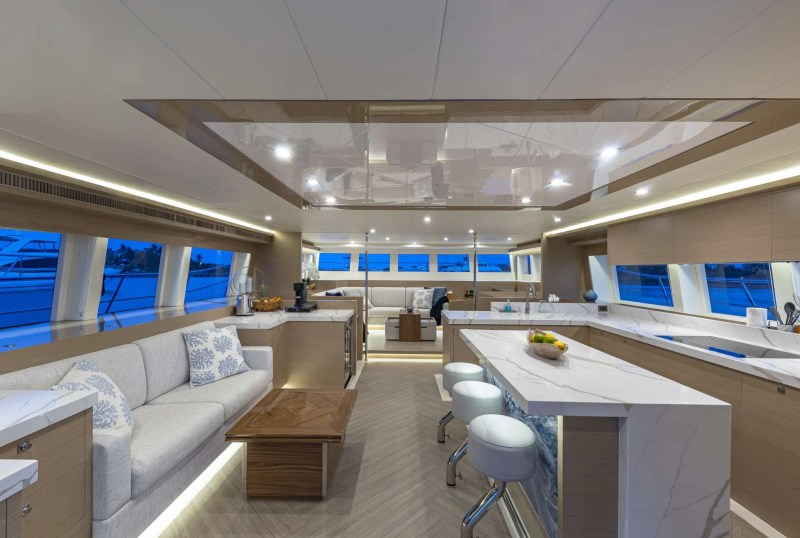
OMAKASE
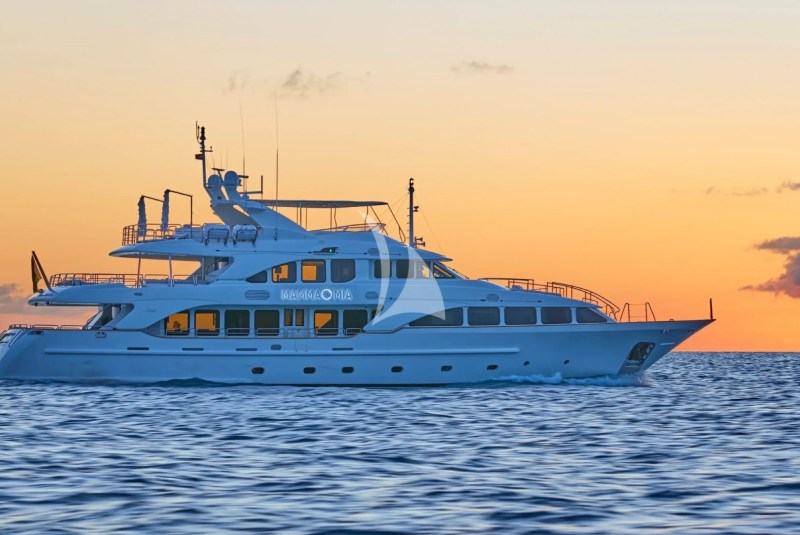
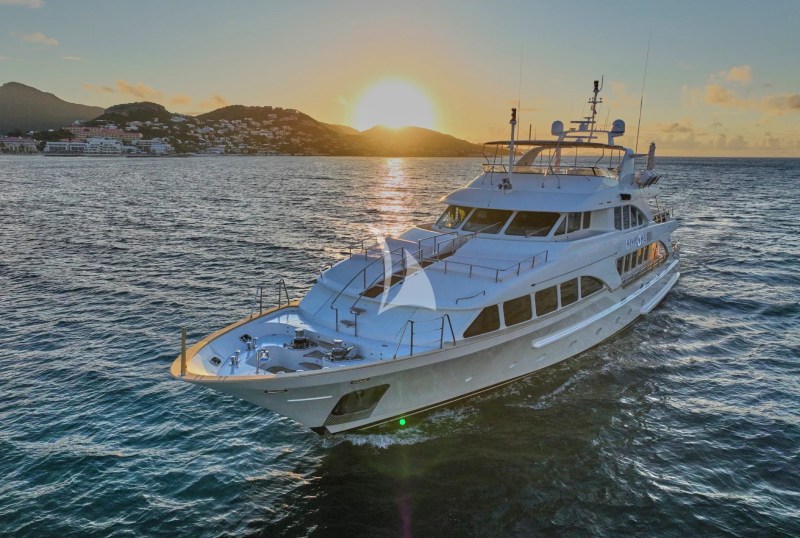
MAMMA MIA
OMAKASE is the one we keep coming back to for a group that wants the evenings to matter. Bright interior in light wood and marble, and a big protected flybridge with a pizza oven that turns into the best seat on the boat at sunset.
The right answer is whichever boat fits the week you just planned. Tell us your dates and group size and we will send the shortlist.
Written by Klara Braga Jakobsen, Yacht Reviewer at DMA Yachting, with charter detail from the brokers who book the US Virgin Islands every season.
People also ask
How much does a US Virgin Islands yacht charter cost?
Most groups land between $30,000 and $60,000 per week. All-inclusive catamarans run from $30,000 to the mid $40,000s, with the boat, crew, food, drinks and fuel in one rate. Larger motor yachts are usually quoted plus expenses, so add roughly 30 to 35 percent for the provisioning allowance. On top of either, budget the 12.5 percent USVI charter tax and a 15 to 20 percent crew gratuity.
Do I need a passport to sail between the USVI and the BVI?
Yes. Crossing into the British Virgin Islands is an international border, so everyone aboard needs a passport. Not every yacht is permitted to charter in both territories, so confirm your boat can cross, and check current entry requirements close to your travel dates.
How long does the crossing to the BVI take?
Roughly 2.5 to 4 hours from St Thomas depending on where you clear in, plus about an hour for customs. Crews handle the clearance while guests stay aboard, with details filed to SailClear in advance. Plan it into a morning rather than the end of a travel day.
When is the best month for a USVI charter, and how far ahead should I book?
December through April is the prime window: dry, steady weather and the calmest sailing. Christmas and New Year weeks book 6 to 12 months out. Late spring and early summer are quieter and often better value, and June to November is hurricane season, when many yachts reposition.
Catamaran or motor yacht for the USVI?
A catamaran gives you shallow draft, stability at anchor and easy beach access, which suits an active island-time week. A motor yacht gives you range, air conditioning and space. Match it to the itinerary you have planned, not the other way around.







 iMessage
 WhatsApp